

Mini Pig Care 101: Feeding, Housing, and Daily Routine
Mini Pig Care 101: Feeding, Housing, and Daily Routine
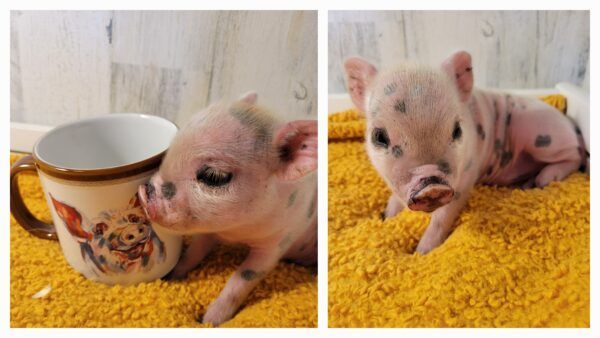
Mini pigs are smart, affectionate, and full of personality. They learn their names, figure out routines quickly, and bond closely with their families. But they're not quite like a dog or a cat, and the first few weeks at home go much more smoothly when you know what to expect.
At Countryside Farm & Venue in Lakeland, we raise Juliana mini pigs and help every new family get started on the right foot. Here's our practical guide to feeding, housing, and the daily routine that keeps a mini pig healthy and happy.
Before You Bring Your Piglet Home
Check Your Local Rules
Many cities do not allow pet pigs inside city limits, and the USDA classifies pigs as livestock. Before you commit to a piglet, check your local ordinances and any HOA rules where you live.
Find a Mini Pig Vet First
Not every veterinarian treats pigs. We recommend finding a vet experienced with mini pigs before your piglet comes home, so you have someone ready for routine care or an emergency.
Set Up Their Space
Have your piglet's area ready before pickup day. A simple starter setup includes:
- A cozy dog bed
- Soft blankets for burrowing
- Toys
- A food bowl and a water bowl
- A litter box
What Do Mini Pigs Eat?
A good diet is the single most important part of mini pig care. It affects your pig's health, energy, and adult size.
Start With a Quality Mini Pig Food
Our piglets go home eating Nature's Best Organic Mini Pig Food, approximately ¼ cup twice daily at the time they leave our farm. Feeding amounts should gradually increase as your pig grows. Other mini pig feeds, such as Mazuri or Nutrena mini pig food, are also options. If you plan to switch foods, make the change gradually.
Add Fruits and Vegetables Slowly
Fresh produce is a great addition to your pig's diet, but introduce fruits and vegetables slowly, one at a time. That makes it easier to spot anything that doesn't agree with your pig. Vegetables can be offered more freely, while fruits should be limited because of their high sugar content. We feed our adult pigs a variety of fruits and vegetables in addition to their main diet.
Keep Fresh Water Available
Fresh water should always be available. Pigs can tip bowls over, so a heavy or secured bowl helps.
Treats in Moderation
Small treats like Cheerios, unsalted popcorn, or a little peanut butter are great for training and bonding. Keep them small and occasional so they don't throw off a healthy diet.
Research Before You Share
Some foods can be harmful to pigs. Before offering anything new from your kitchen, make sure it's safe.
Housing: Indoors, Outdoors, or Both?
Mini pigs do best with a mix of both.
Indoors, your pig needs a warm, comfortable place to sleep, a litter box, and access to food and water. Many pigs love burrowing into blankets at bedtime.
Outdoors, pigs love to bask in the sun, root in the dirt, and spend time outside. Rooting is a natural behavior, not a bad habit, and giving your pig a place to do it keeps them happier. A pig kept strictly indoors will ultimately be a very unhappy pig.
In Florida, outdoor time should come with shade and water, especially during the hot summer months.
Litter Box Training
Our piglets begin litter box training at an early age using pelletized bedding for horses and small animals, which you can find at Tractor Supply. Using the same bedding at home helps your piglet recognize the box right away.
Moving to a new home may cause a few temporary accidents. Patience and consistency are key. Keep the litter box in the same spot, reward your piglet for using it, and give them time to learn their new surroundings.
A Simple Daily Routine
Pigs thrive on routine. A predictable day helps them feel secure and makes training easier. A typical day might look like this:
- Morning: Breakfast, fresh water, and a litter box check.
- Midday: Outdoor time to root, explore, and soak up some sun.
- Afternoon: Play, enrichment toys, or a short training session using small treats.
- Evening: Dinner, fresh water, and quiet time with the family.
- Bedtime: A cozy bed with blankets in a calm spot.
Try to feed at the same times every day. Your pig will quickly learn the schedule and remind you if you're late.
The First Few Weeks at Home
It's completely normal for your piglet to be nervous or frightened at first. Everything is new. Build trust through patience, consistency, and positive interaction:
- Sit on the floor and let your piglet come to you.
- Offer small treats from your hand.
- Keep the household calm for the first few days.
- Avoid chasing or picking up your piglet before they're comfortable.
Most piglets warm up quickly once they learn that you're the source of food, comfort, and attention.
Health Care Basics
Each piglet from our farm goes home with a health record documenting the treatments it has received, including deworming treatments given before leaving the farm. Vaccinations are available upon request.
Piglets purchased without breeding rights must be spayed or neutered. Male piglets may be neutered before leaving our farm with at least 24 hours' notice before pickup, and female spaying is arranged through a veterinarian. Ask your vet about an ongoing care schedule for your pig.
How Big Will My Mini Pig Get?
Our average adult Juliana pig weighs 35 to 55 pounds and stands 10 to 16 inches tall. We can't promise a certain size or weight, because diet, exercise, and overall health all play a role. Feeding a proper diet is one of the best ways to help your pig grow up healthy. Learn more on our mini pig information page, or meet the parent pigs behind our litters.
Thinking About a Mini Pig as a Gift?
The holidays are a popular time to bring home a piglet, but a pig is a long-term commitment. Read what to know before buying a mini pig for Christmas before you decide.
Meet Our Pigs in Person
Not sure a mini pig is right for your family? Our Mini Pig Experience is a hands-on session where you can learn about their unique personalities and care requirements before making a decision. When you're ready, browse our available mini pigs or learn about shipping options.
Frequently Asked Questions
What do mini pigs eat?
Mini pigs should eat a quality mini pig food as their main diet, along with vegetables, limited fruit, and fresh water at all times. Treats should be small and occasional.
How much should I feed a mini pig?
Our piglets go home eating about ¼ cup of mini pig food twice daily. Feeding amounts should gradually increase as your pig grows. Your vet can help you adjust portions over time.
Can mini pigs live indoors?
Yes, mini pigs can live indoors, but they also need regular outdoor time to root, explore, and enjoy the sun. A pig kept strictly indoors is likely to be unhappy.
Are mini pigs litter box trained?
Our piglets begin litter box training at an early age using pelletized bedding. A move to a new home may cause temporary accidents, so patience and consistency are important.
How big do Juliana mini pigs get?
Our average adult Juliana pig weighs 35 to 55 pounds and stands 10 to 16 inches tall. Final size depends on diet, exercise, and health.
Do I need a special vet for a mini pig?
Yes. Not all veterinarians treat pigs, so it's best to find a vet experienced with mini pigs before you bring your piglet home.
Start Your Mini Pig Journey
From your first visit to bringing your new piglet home and beyond, Countryside Farm & Venue is here to help. We're located in Lakeland, Florida, and visits are by appointment only.
Call or text (918) 851-7940 or contact us to learn more.